Skip to content
RESOURCE GUIDE

EVERYTHING YOU NEED BEFORE YOU INK

The complete tattoo resource guide -- from choosing your style to long-term aftercare. Written for people getting their first (or next) tattoo.

01PREP

Before Your Tattoo

How to choose your style, find the right artist, and prepare for your session.

CHOOSING YOUR STYLE

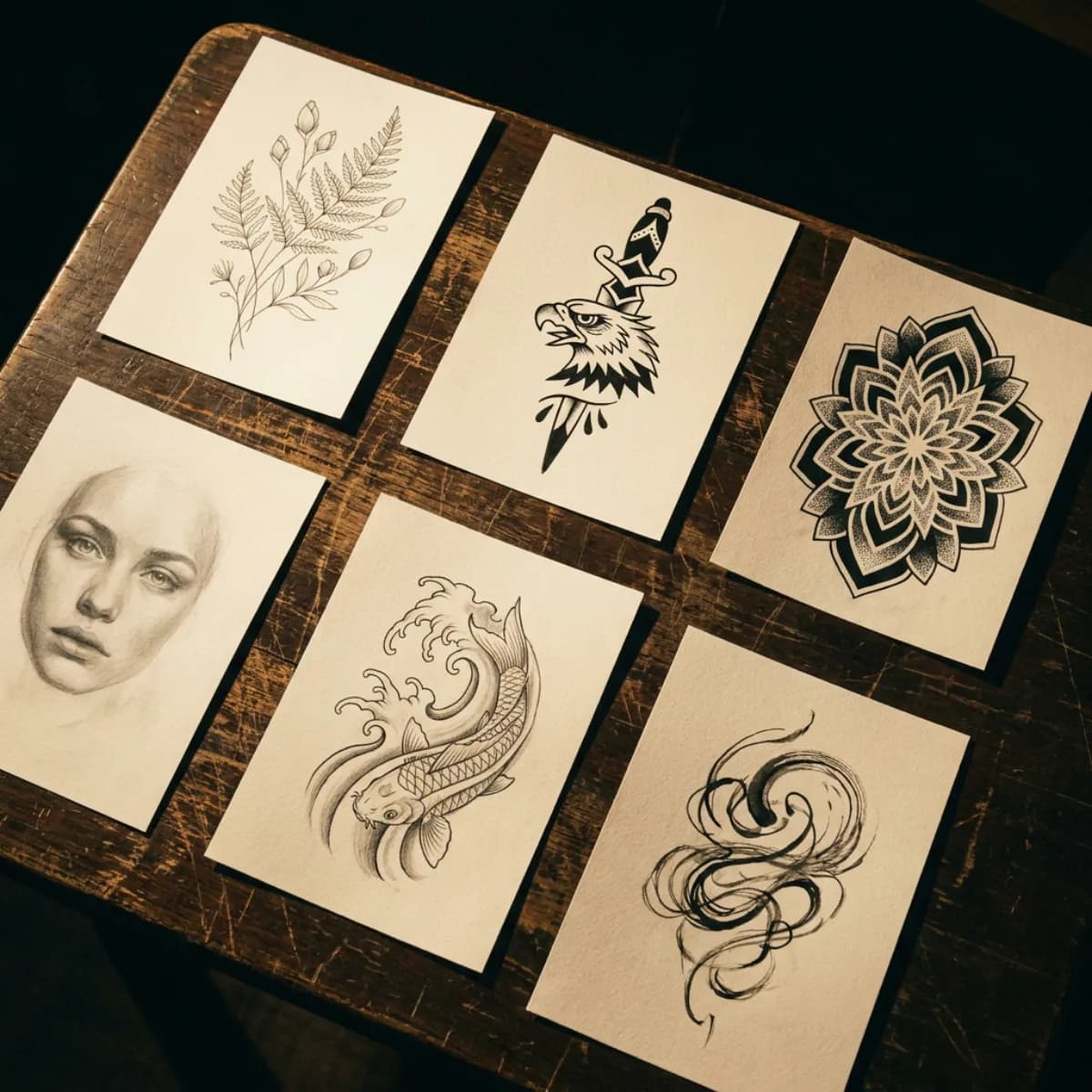
Your tattoo style defines everything -- how it looks fresh, how it ages, which artists can do it, and how much it costs. Here are the major styles to consider:

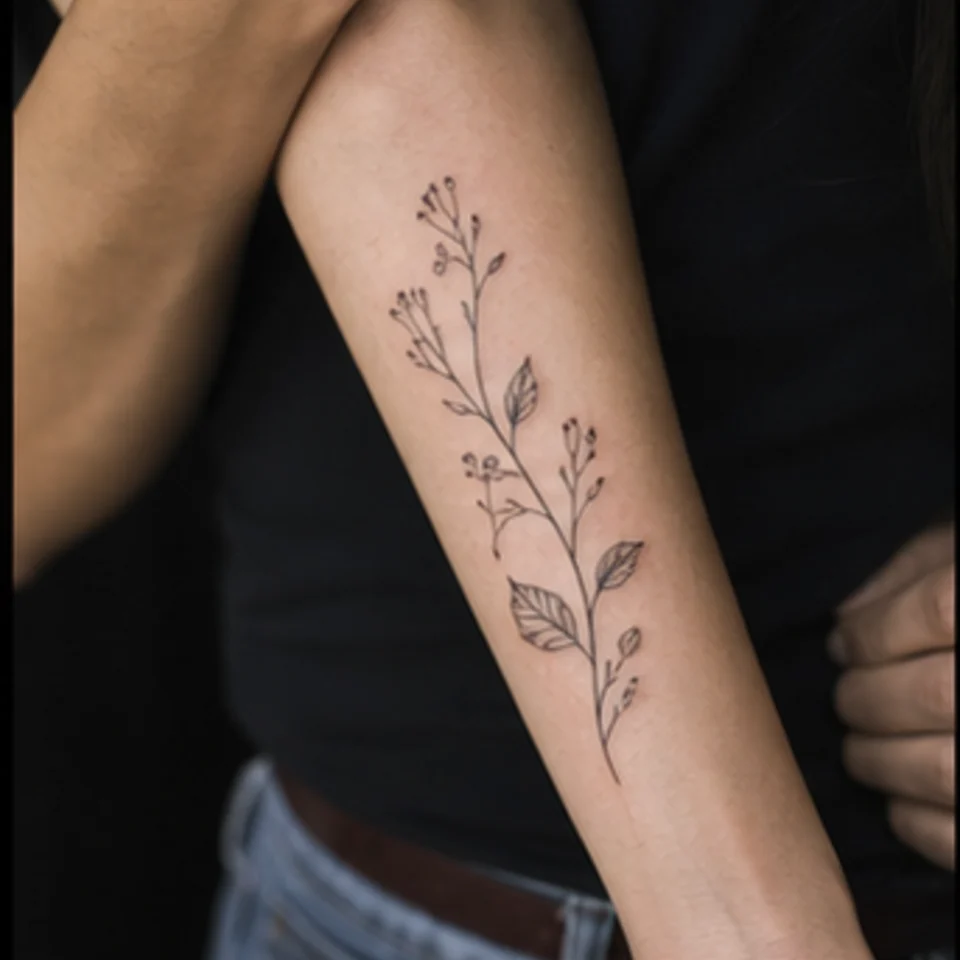
Fine Line: Delicate, thin linework with minimal shading. Perfect for subtle pieces like botanical drawings, small symbols, or script. Great for first-timers.

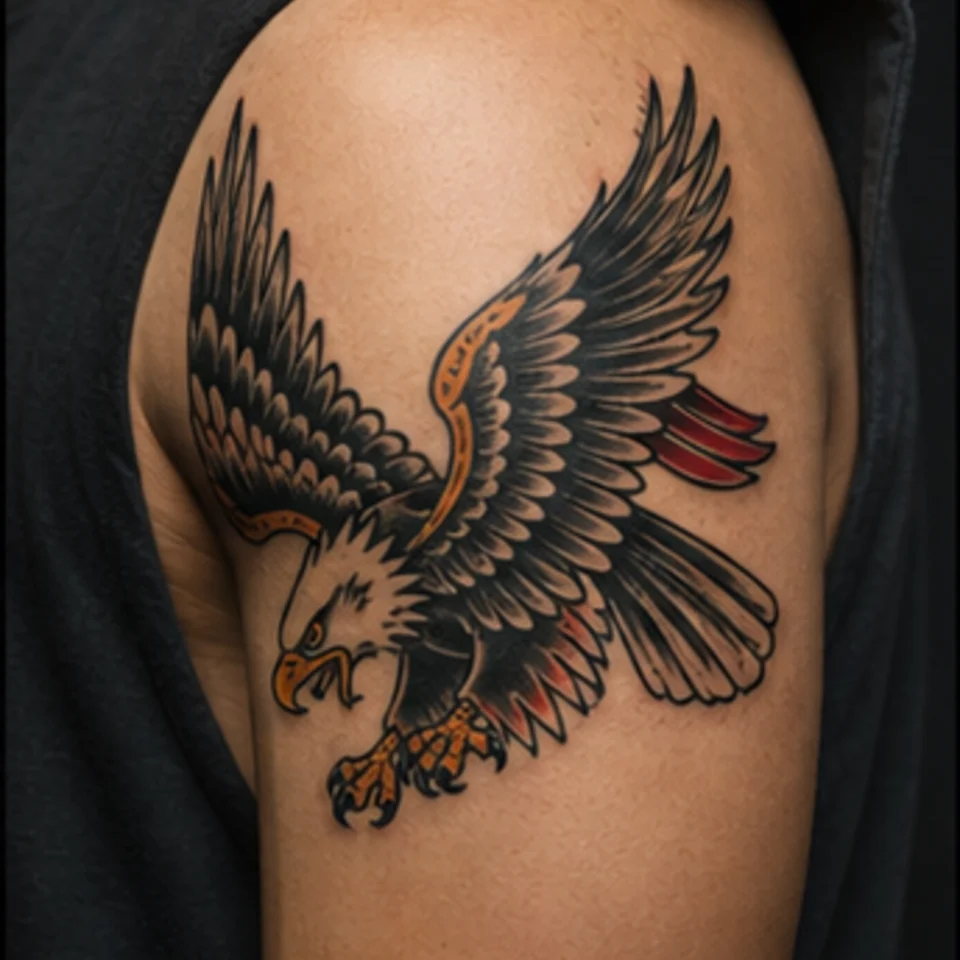
Traditional: Bold black outlines with solid color fills. Anchors, roses, eagles, pin-ups. The style that started it all -- and it ages better than almost anything.

Blackwork: Pure black ink -- from intricate geometric patterns to heavy solid coverage. High contrast that holds up for decades.

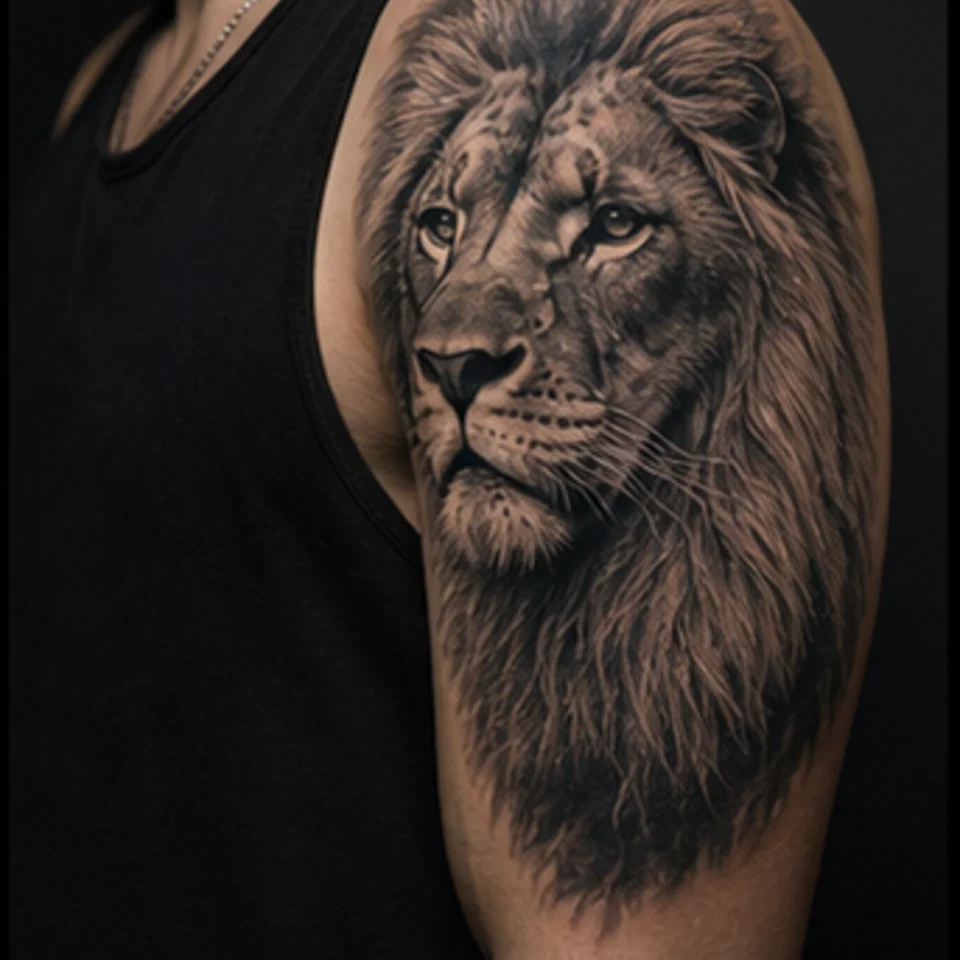
Realism: Photo-realistic imagery. Portraits, animals, landscapes. Requires a specialist with exceptional shading skills.

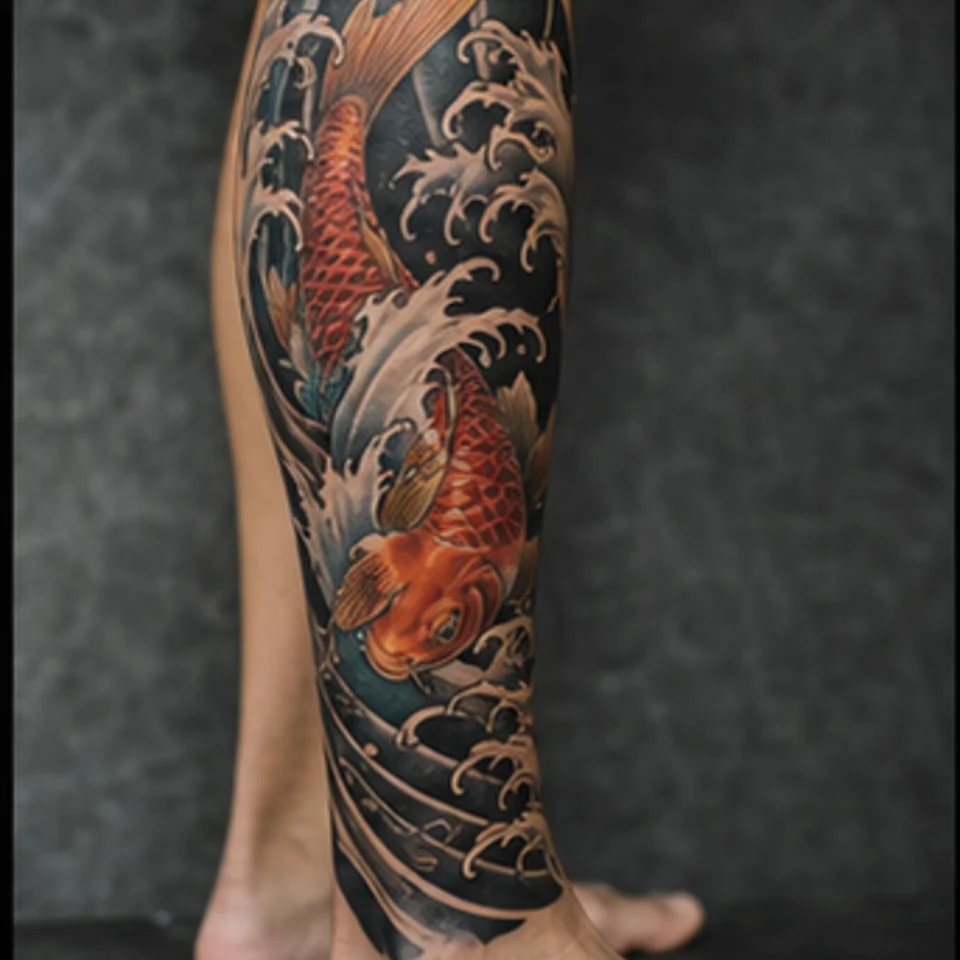
Japanese (Irezumi): Dragons, koi, cherry blossoms, and waves with rich cultural symbolism. Traditionally designed as large-scale pieces.

Watercolor: Paint splashes, color gradients, and drip effects. Artistic and vibrant, though may need touch-ups sooner.

Tribal: Bold black patterns from Polynesian and indigenous traditions that follow the body's contours. Culturally rooted and visually powerful.

Geometric: Sacred geometry, mandalas, and mathematically precise patterns. Demands technical precision from the artist.

CHOOSING THE RIGHT ARTIST

Check their portfolio. Look at their Instagram and website for consistency in their best style. An artist who posts 50 realism pieces is more trustworthy for your portrait than one who does everything.

Red flags: No portfolio at all. Stock images instead of their own work. Prices that seem too good to be true. Dirty or disorganized studio photos. Resistance to a consultation before booking.

Questions to ask: How long have you been tattooing? Can I see healed photos (not just fresh)? What's your process for custom designs? Do you specialize in a specific style? What's your cancellation policy?

PREPARING FOR YOUR SESSION

Eat a full meal 1-2 hours before. Low blood sugar makes pain worse and can cause dizziness. Bring a snack for longer sessions.

Hydrate well in the days leading up. Well-hydrated skin takes ink better and heals faster.

Wear appropriate clothing. Loose, comfortable clothes that give easy access to the tattoo area. Dark colors are smart -- ink can splatter.

Skin prep: Moisturize the area in the days before. No sunburn. Don't shave the area yourself -- your artist will do it with a sterile razor.

What to bring: Phone charger, headphones, water bottle, snacks, reference images. Some people bring a friend for moral support -- ask your artist first if that's okay.

PAIN EXPECTATIONS BY BODY PART

Forearm
3/10
Upper Arm
3/10
Shoulder
4/10
Thigh
4/10
Back
5/10
Calf
5/10
Chest
6/10
Wrist
6/10
Ankle
7/10
Neck
7/10
Hand
8/10
Ribs
9/10
02SESSION

During Your Session

What happens from the moment you walk in to the final wrap.

STEP BY STEP

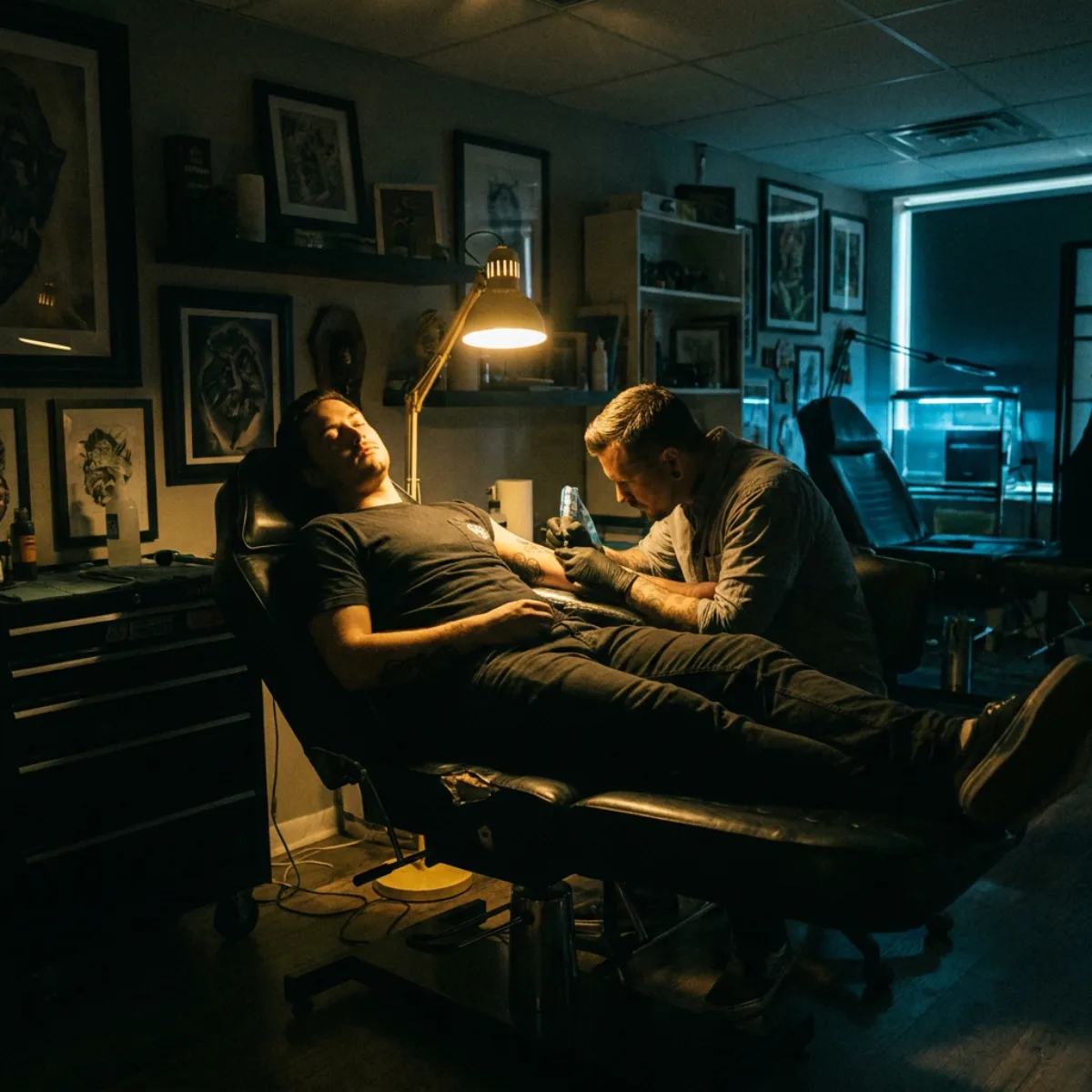
01
CONSULTATIONDiscuss your design, placement, and size. Your artist may sketch adjustments. This is your time to ask questions and finalize details.
02
STENCIL APPLICATIONYour artist transfers the design onto your skin with a thermal stencil or freehand drawing. Check placement in a mirror -- speak up now if anything needs to move.
03
OUTLININGThe needle traces the design outline. This is usually the most intense part -- sharp, consistent sensation. Breathe steadily and stay relaxed.
04
SHADING & COLORFilling in gradients, shadows, and color. Most people find this less painful than outlining. Depending on size, this is the longest phase.
05
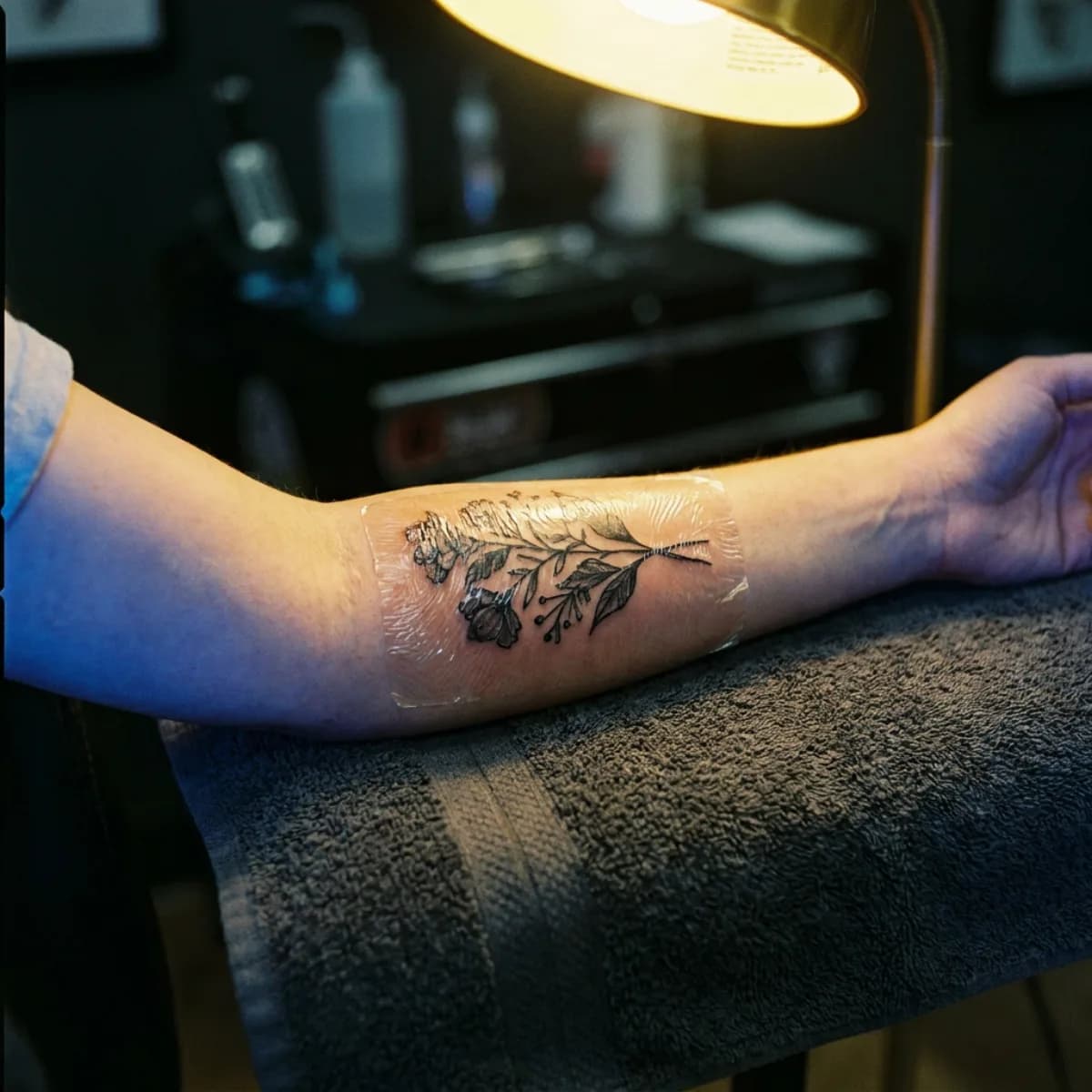
CLEANUP & WRAPYour artist cleans the tattoo, applies ointment, and wraps it with a bandage or second-skin film. You'll get aftercare instructions.

HOW LONG SESSIONS TAKE

SIZETIMESESSIONS
Tiny (1-2 in)30-60 minutes1
Small (2-4 in)1-2 hours1
Medium (4-6 in)2-4 hours1
Large (6-10 in)4-6 hours1-2
X-Large (10+ in)6+ hours2-4+

TIPPING ETIQUETTE

15-20% is standard for tattoo tipping. Your artist is often renting their chair and buying their own supplies -- a tip goes directly to them.

Tip more if your artist went above and beyond on a custom design, accommodated last-minute changes, or made a long session comfortable. Cash is always appreciated, but many shops accept tips on card or through apps like Venmo.

COMMUNICATION WITH YOUR ARTIST

It is always okay to speak up. Need a break? Say so. Feeling dizzy? Tell them. Worried about placement? Ask to check. Good artists expect this and appreciate clients who communicate.

Don't bring a crowd -- most studios limit guests. Keep your phone on silent. Stay still. If you need to move, warn your artist first. A slight flinch during linework can create a permanent wobble.

03HEALING

Aftercare

Your tattoo is an open wound. How you treat it in the first month determines how it looks forever.

DAY 1-3: INITIAL HEALING

Remove the wrap after the time your artist specifies (usually 2-4 hours for traditional wrap, or up to 3-5 days for second-skin film). Wash gently with lukewarm water and unscented soap. Pat dry with a clean paper towel -- never rub.

Apply a thin layer of unscented moisturizer or the ointment your artist recommends (Aquaphor, Hustle Butter, or a specialized tattoo balm). Less is more -- too much ointment suffocates the skin.

Your tattoo will ooze plasma and excess ink. This is normal. Wash 2-3 times daily. Sleep on clean sheets, ideally on a towel you don't mind staining.

WEEK 1-2: PEELING & ITCHING

Your tattoo will start to peel like a sunburn. This is normal healing. Do not scratch or pick. Picking scabs pulls out ink and creates patchy spots that need touch-ups.

Switch from ointment to an unscented lotion (Lubriderm, Eucerin, CeraVe). Apply 2-3 times daily or whenever the skin feels tight and dry.

The itching can be intense. A light slap over the area can relieve it without damaging the healing skin.

WEEK 3-4: SETTLING IN

The surface may look healed, but deeper layers of skin are still repairing. Continue moisturizing. Avoid direct sunlight on the tattoo -- UV rays break down fresh ink rapidly.

Your tattoo may look slightly cloudy or dull during this phase. This is called the "milky stage" and is temporary. Full vibrancy returns once the skin fully regenerates.

LONG-TERM CARE

Sunscreen is permanent. UV exposure is the number one cause of tattoo fading. Apply SPF 30+ to your tattoos whenever they're exposed. This is a lifetime commitment.

Keep the skin moisturized. Healthy, hydrated skin makes tattoos look better for longer. Most tattoos benefit from a touch-up after 5-10 years, depending on placement and sun exposure.

WHAT NOT TO DO

XSubmerge in water (pools, baths, ocean) for 2-4 weeks
XDirect sun exposure without SPF for the first month
XPick or scratch peeling skin -- ever
XWear tight clothing over the tattoo during healing
XApply rubbing alcohol, hydrogen peroxide, or Neosporin
XLet pets sleep on or lick the area
XWork out intensely on day 1-3 (sweat irritates fresh ink)
XApply sunscreen to a fresh (unhealed) tattoo
04PRICING

Cost Guide

What you'll actually pay, what affects the price, and how to budget for your piece.

PRICING FACTORS

Tattoo pricing isn't arbitrary. The cost depends on size (more skin = more time), complexity (intricate detail takes longer), style (realism and Japanese cost more than simple linework), color (color takes longer than black and grey), artist experience (a 15-year veteran charges more than a 2-year apprentice), and location (major cities cost more than rural areas).

AVERAGE PRICES BY SIZE

SIZEPRICE RANGE
Tiny (1-2 in)$80-150
Small (2-4 in)$150-300
Medium (4-6 in)$300-600
Large (6-10 in)$600-1,200
X-Large (10+ in)$1,200-3,000

HOURLY RATES VS FLAT RATES

Most artists charge either a flat rate per piece or an hourly rate ($100-250/hour in the DFW area). Smaller pieces are usually flat-rate. Larger work (half-sleeves, back pieces) is typically hourly since the scope can shift during the process.

Always ask which pricing model your artist uses before booking. Hourly means the final cost depends on how long the session takes. A good artist will give you a time estimate upfront.

DEPOSITS & CANCELLATION

Most artists require a deposit ($50-200) to secure your appointment. This is applied toward the total cost. Deposits are typically non-refundable -- they compensate the artist for design time and the held slot.

If you need to reschedule, give at least 48-72 hours notice. No-shows and last-minute cancellations usually forfeit the deposit.

WHY CHEAP TATTOOS ARE EXPENSIVE

A $50 tattoo from a scratcher will cost $500 to fix or cover up. Bargain tattoos lead to blown-out lines, patchy shading, infection risk, and regret. Your skin is permanent real estate -- invest accordingly.

Budget for quality. Save up for the right artist instead of settling for the cheapest option. A well-done tattoo at $400 is infinitely better value than a botched one at $100 plus a $600 cover-up.

GET AN ESTIMATE

Use our interactive price calculator to get an instant estimate based on your size, style, and complexity.

OPEN PRICE CALCULATOR
05ENCYCLOPEDIA

Tattoo Styles Explained

Every major style with descriptions and who it's best for.

Fine Line

Fine Line

Delicate, precise linework with minimal shading. Think botanical illustrations, small symbols, and elegant script. Fine line tattoos are subtle and sophisticated -- perfect for first-timers who want something understated.

Best for: First-timers, minimalists, small placements like wrist or ankle.

DESIGN IN THIS STYLE
Traditional

Traditional

Bold outlines, limited color palette, and iconic imagery -- anchors, roses, eagles, pin-ups. American Traditional (also called Old School) uses thick black lines and solid fills that age exceptionally well.

Best for: Anyone who wants a tattoo that reads clearly and holds up for decades.

DESIGN IN THIS STYLE
Blackwork

Blackwork

Exclusively black ink -- from solid geometric shapes to intricate patterns and heavy coverage. Blackwork ranges from ornamental dotwork to full blackout sleeves. The high contrast ages beautifully.

Best for: People who love bold contrast, geometric patterns, or heavy coverage.

DESIGN IN THIS STYLE
Realism

Realism

Photo-realistic portraits, animals, landscapes, and objects. Realism requires an artist with exceptional shading skills -- the tattoo should look like a photograph on skin. Both black-and-grey and color realism exist.

Best for: Portraits, memorial pieces, nature scenes. Requires a specialist.

DESIGN IN THIS STYLE
Japanese (Irezumi)

Japanese (Irezumi)

Rich in symbolism -- dragons, koi fish, cherry blossoms, waves, and tigers. Japanese tattoos follow specific compositional rules with backgrounds (wind bars, clouds, water) that unify the piece. Traditionally designed as full sleeves or back pieces.

Best for: Large-scale pieces, sleeves, back work. Collectors who appreciate cultural tradition.

DESIGN IN THIS STYLE
Watercolor

Watercolor

Mimics the look of watercolor paintings with splashes, drips, and color gradients. Often combined with fine line or realism elements for structure. Vibrant and artistic, though may require touch-ups sooner than traditional styles.

Best for: Creative individuals who want something painterly and unique.

DESIGN IN THIS STYLE
Tribal

Tribal

Rooted in Polynesian, Maori, and indigenous traditions -- bold black patterns that flow with the body's contours. Modern tribal has evolved beyond the 90s armband into culturally respectful, body-contouring art.

Best for: Large placements on shoulders, chest, or legs. Those drawn to cultural body art.

DESIGN IN THIS STYLE
Geometric

Geometric

Sacred geometry, mandalas, and mathematically precise patterns. Geometric tattoos demand technical precision -- every line must be straight, every circle perfect. Often combined with dotwork for added texture.

Best for: Precision lovers, mandala enthusiasts, anyone drawn to sacred geometry.

DESIGN IN THIS STYLE
Micro / Minimalist

Micro / Minimalist

Extremely small, highly detailed tattoos -- tiny portraits, miniature objects, single-needle work. Micro tattoos have exploded in popularity but require a specialist. Be aware: very small details can blur over time.

Best for: Subtle, concealable pieces. Fingers, behind the ear, inner wrist.

DESIGN IN THIS STYLE
Trash Polka

Trash Polka

Originated in Germany -- a chaotic collage of realism, typography, smears, and graphic elements in strictly red and black. Trash Polka is intentionally messy-looking but precisely executed, combining photographic elements with abstract paint strokes.

Best for: Bold personalities who want something rebellious and unconventional.

DESIGN IN THIS STYLE
Abstract

Abstract

Freeform, expressive, and often asymmetrical. Abstract tattoos break traditional rules -- think brushstrokes, splatter effects, and deconstructed imagery. Every piece is truly one-of-a-kind.

Best for: Art collectors, people who want a tattoo that doesn't look like a tattoo.

DESIGN IN THIS STYLE
Dotwork

Dotwork

Composed entirely of individual dots that create gradients, patterns, and imagery. The technique is meditative and time-intensive. Dotwork creates a unique visual texture that can't be replicated by traditional shading.

Best for: Geometric patterns, mandalas, spiritual imagery. Those who appreciate craft.

DESIGN IN THIS STYLE
YOUR TURN

READY TO CREATE YOUR TATTOO?

Use our AI designer to bring your vision to life.

START DESIGNING